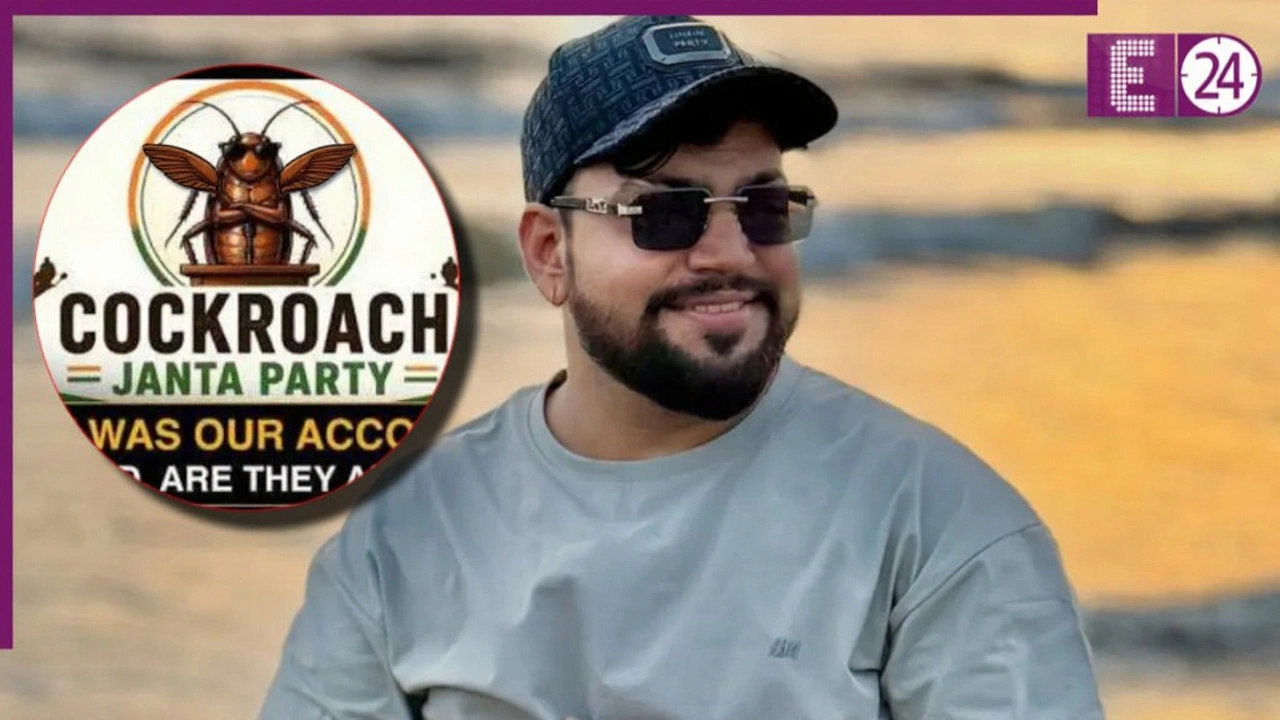
When Khushi Mukherjee, TV actress and model, shared a tearful video of being slapped on the streets of Dubai, it wasn't just an isolated incident of street harassment. It became the flashpoint for a wider cultural debate ignited by Santy Sharma, rapper. His recent comment that women like her cause rape in India didn't just spark anger; it validated every fear she expressed about feeling unsafe simply for existing in public.
The timeline is brutal. First, Mukherjee faced intense trolling over her bold fashion choices in Mumbai. Then, Sharma made his controversial statement. Finally, within days, she was physically assaulted while riding a bike in Dubai around 9 PM. The connection isn't coincidental—it’s a cascade of online toxicity bleeding into real-world violence.
The Spark: Santy Sharma’s Controversial Statement
Here’s the thing about viral outrage: it rarely starts with facts. It starts with feelings. In this case, those feelings were triggered by Navbharat Times reporting that rapper Santy Sharma had watched a video of Mukherjee and decided to weigh in on her lifestyle. His words? “Girls like this are the reason rapes happen more in India.”
That sentence hit social media like a bomb. Users immediately labeled it classic victim-blaming—a toxic trope that shifts responsibility from perpetrators to survivors based on their clothing or behavior. Critics pointed out that no amount of conservative dressing has ever stopped sexual violence, yet one bold outfit suddenly becomes a national crisis in some circles.
But wait—this wasn’t just any celebrity throwing shade. Sharma is a known figure in the Indian rap scene, giving his opinion weight among younger demographics who might otherwise dismiss such views as outdated. His platform amplified the message, turning a personal critique into a polarizing national conversation.
From Trolling to Violence: The Dubai Incident
Turns out, the digital abuse didn’t stay digital. According to reports from ABP Live, Mukherjee later posted a distressing video from Dubai showing her crying after being slapped by an unknown man on a motorcycle. She claimed the attack happened around 9 PM when she was riding alone.
“I was on the road,” she said in the clip, visibly shaken. “A man on a bike came up, slapped me hard, and drove off.” What makes this particularly chilling is her subsequent frustration with local authorities. She mentioned visiting a police station only to find it empty, with even the female officer refusing to take action. “There are no cameras here,” she lamented. “What good does filing a complaint do?”
This detail matters because it highlights a systemic failure—not just in law enforcement but in societal support structures. When victims feel abandoned by institutions meant to protect them, they turn to social media as their last resort. And in doing so, they expose themselves to further scrutiny and judgment.
Public Reaction: Support vs. Scrutiny
Social media erupted once again—but this time, the tone shifted dramatically. While earlier comments focused on mocking her style, now users rallied behind her safety concerns. Many shared similar experiences of harassment abroad, emphasizing how location doesn’t guarantee immunity from gender-based violence.
Yet, not everyone joined the chorus of support. Some continued questioning whether her attire provoked the attacker—a dangerous line of thinking that ignores the reality of consent and autonomy. Others debated the effectiveness of CCTV coverage in Dubai, noting its generally high surveillance standards compared to other regions.
Interestingly enough, experts argue that these reactions reflect deeper anxieties about changing norms around women’s freedom. As more women assert control over their bodies and appearances, traditionalists often respond with blame rather than adaptation. This tension plays out daily across platforms like Instagram and Twitter, where algorithms prioritize engagement over empathy.
Broader Implications: Safety, Surveillance, and Society
Mukherjee’s ordeal raises critical questions about urban safety mechanisms. Why did she feel compelled to say, “Even stepping onto the street feels like a crime now”? Because somewhere along the way, public spaces have become hostile environments for certain groups. Whether through verbal harassment, physical threats, or institutional neglect, the message remains clear: your presence alone can be seen as provocative.
Moreover, the lack of immediate police assistance underscores gaps in emergency response systems—even in wealthy nations like the UAE. If someone cannot trust local authorities to act swiftly, what hope exists for justice? These issues extend beyond individual cases; they point toward structural reforms needed globally.

What’s Next?
For now, Mukherjee continues advocating for better protections for women traveling internationally. Her story serves as both cautionary tale and call-to-action. Meanwhile, Sharma faces mounting pressure to clarify or retract his remarks. Will he apologize? Double down? Time will tell.
In the meantime, fans remain divided. Some see Mukherjee as a symbol of resilience against patriarchal attitudes. Others view her actions as reckless publicity stunts. Either way, the discourse shows no signs of fading anytime soon.
Background Deep Dive
To understand why this moment resonates so deeply, we need context. Mukherjee began her career modeling before transitioning to television roles in shows like *Splitvilla*, *Balwinder*, *Riti Rivaj*, *Nadaan*, and *Devika*. Each role brought visibility—and随之而来的争议 (and随之而来的争议). Her unconventional fashion sense consistently drew attention, sometimes positive, often negative.
Sharma, meanwhile, built his reputation through provocative lyrics challenging mainstream values. His audience expects edgy commentary, which explains why his latest remark aligned with his brand identity. However, crossing the line between artistic expression and harmful rhetoric carries consequences, especially when real people suffer as a result.
Frequently Asked Questions
Why did Santy Sharma’s comment cause such backlash?
His statement implied that women’s clothing directly influences rates of sexual assault, reinforcing harmful stereotypes. Experts emphasize that victim-blaming distracts from addressing perpetrator accountability and perpetuates cycles of abuse.
How serious was the assault in Dubai?
While details remain limited, Mukherjee described being forcefully slapped without warning during evening hours. Physical harm aside, the psychological impact appears significant given her emotional state in the video.
Did Dubai police assist Mukherjee properly?
She reported finding the station understaffed and unresponsive, including resistance from designated female officers. Such accounts highlight potential shortcomings in handling cross-cultural incidents involving foreign nationals.
Is there evidence linking online hate speech to offline violence?
Studies show correlations between dehumanizing language online and increased aggression offline. Though causation varies per case, patterns suggest normalized hostility lowers barriers to committing acts of violence.
What steps should travelers take if harassed abroad?
Contact embassies immediately, document everything possible (photos, witness info), seek medical attention if injured, and consider legal counsel familiar with international laws. Always prioritize personal safety above all else.