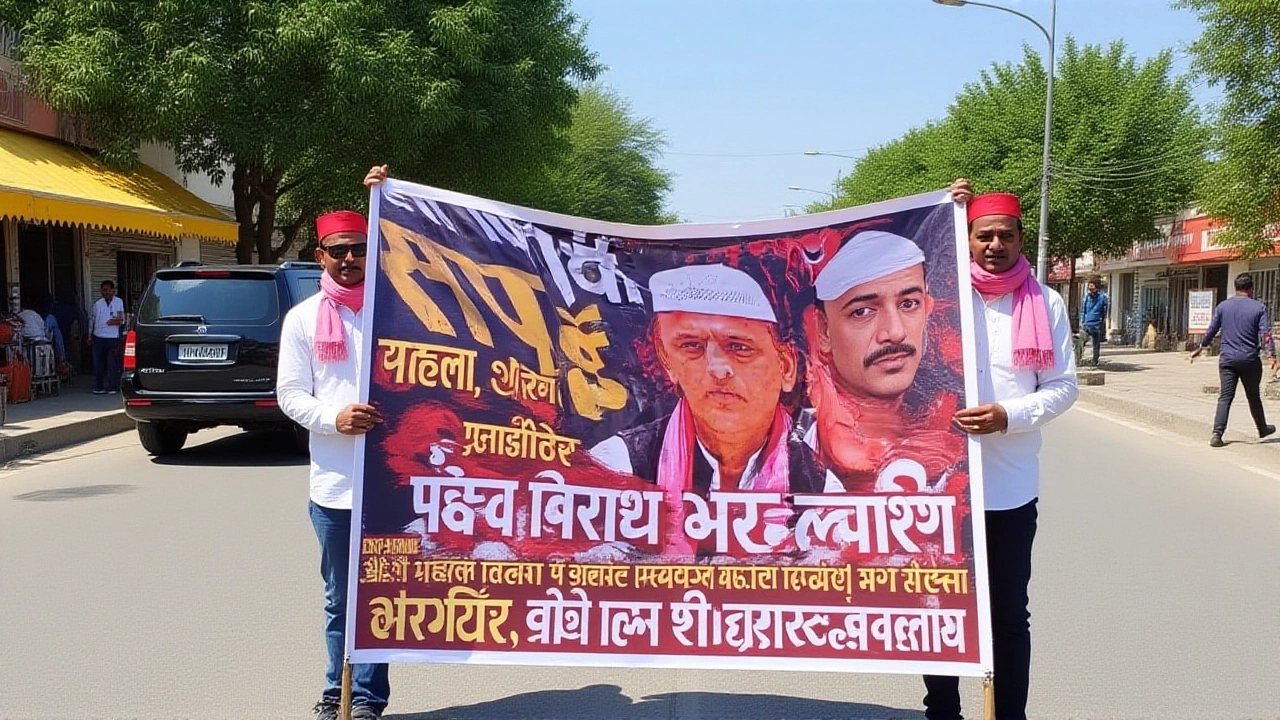
It started with a flicker of red and black on a wall in Noida. By noon, the streets of Kanpur, Ghaziabad, and even the quieter town of Hardoi were plastered with them. On May 26, 2026, Uttar Pradesh woke up to a renewed political "poster war," this time explicitly targeting Akhilesh Yadav, President of the Samajwadi Party. The message was clear, aggressive, and tied directly to the lingering shadows of the Badaun case.
Here’s the thing: poster wars aren’t new to UP politics. But seeing them scale up so quickly across seven major cities simultaneously suggests a coordinated effort. It’s not just graffiti; it’s a calculated visual assault designed to keep a specific controversy alive in the public consciousness.
The Geography of Controversy
The spread of these controversial posters—described by local reports as vivadit poster (controversial posters)—wasn’t random. They appeared in strategic locations that mix high-traffic urban centers with key district headquarters. In addition to Noida, Ghaziabad, Kanpur, Hardoi, Shahjahanpur, and Kannauj, the epicenter itself, Badaun, saw its share of the display.
Why these cities? Noida and Ghaziabad are media-saturated hubs where visuals go viral instantly. Kanpur is an industrial heavyweight with a massive voter base. Badaun carries the emotional weight of the case. And towns like Hardoi and Shahjahanpur represent the grassroots connect that parties fight over tooth and nail. This geographic spread indicates that whoever orchestrated this wanted maximum visibility across different demographic slices of the state.
Targeting the SP Leadership
The posters didn’t just attack the party symbol; they went after the leadership personally. While the exact text varied, the intent was uniform: link Akhilesh Yadav directly to the failures or controversies surrounding the Badaun case. For those unfamiliar, the Badaun case has been a recurring thorn in the side of the Samajwadi Party for years, often cited by opponents as evidence of administrative neglect or political interference during previous tenures.
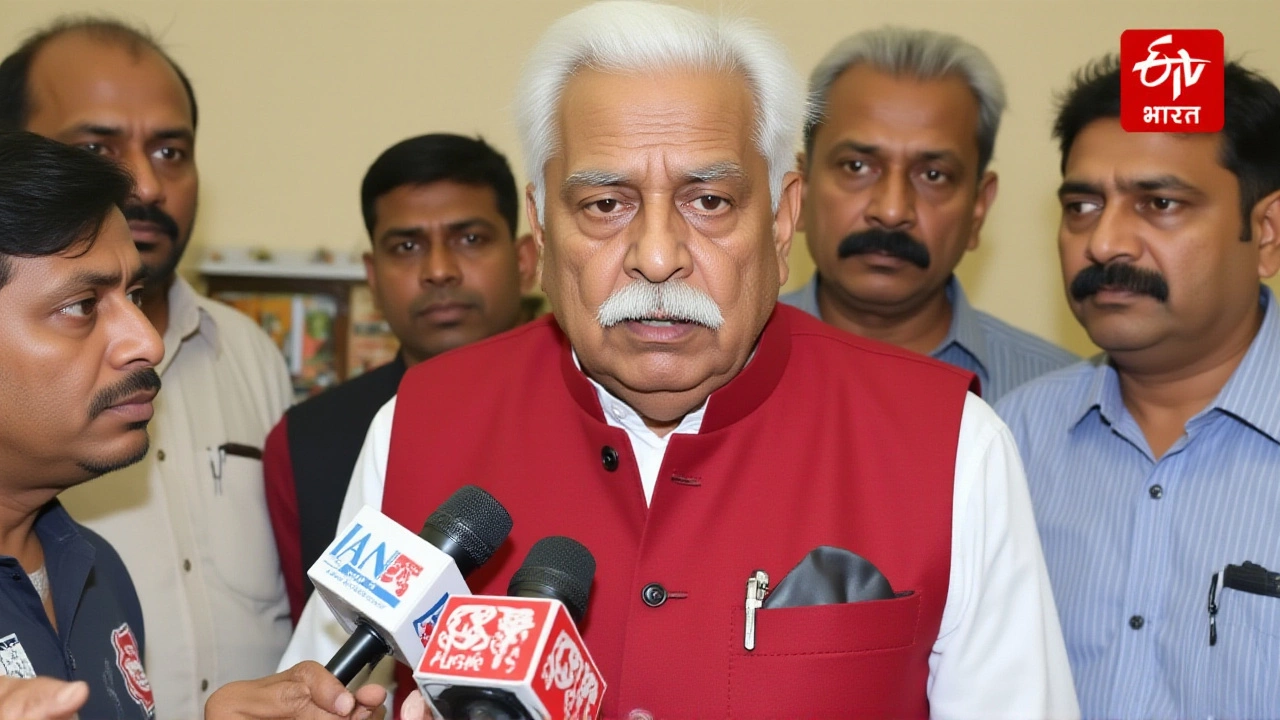
But wait—who put them up? That’s the million-dollar question. No political party has officially claimed responsibility yet. There are no press releases from the BJP, the BSP, or any smaller faction saying, "We did this." Instead, we’re left with anonymous actors, likely hired hands or enthusiastic volunteers, executing a strategy that feels top-down but looks bottom-up.
A Pattern of Political Messaging
This isn’t the first time posters have become weapons in UP’s political arsenal. Remember the election cycles of 2017 and 2022? Walls were covered in caricatures and slogans. But what’s different about the May 2026 campaign is the speed and the specificity. The term "poster war" implies a back-and-forth battle, yet right now, only one side seems to be firing shots.
Interestingly, the lack of immediate official reaction is telling. Usually, when a party is targeted this aggressively, there’s a swift counter-statement or a police complaint filed under sedition or defamation laws. So far, silence. Is it shock? Strategy? Or perhaps an acknowledgment that denying the issue gives it more oxygen?
Impact on Public Sentiment
Turns out, physical posters still hold power in the digital age. Why? Because you can’t swipe past them. When commuters in Ghaziabad see these images every morning on their way to work, the message sticks. It creates a sense of inevitability, as if the narrative is already set in stone.
Local residents in Hardoi reported feeling uneasy. "It’s not just politics anymore," said one shopkeeper who asked to remain anonymous. "When you see your town’s name linked to such negative imagery, it affects daily life. People talk less, watch more."
What’s Next?
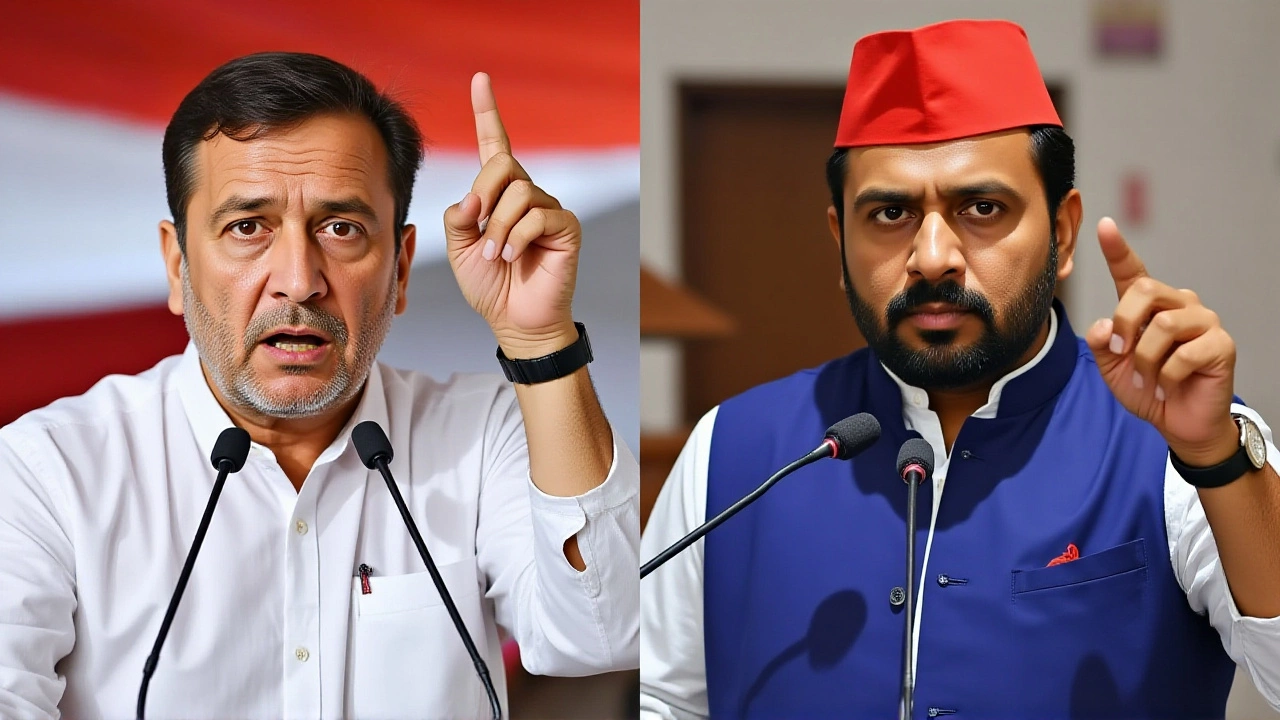
We’re watching closely for three things: First, will the Samajwadi Party issue a formal rebuttal? Second, will law enforcement step in to remove the posters or file FIRs against unknown perpetrators? And third, will rival parties join the fray, turning this into a full-blown multi-party poster war?
Historically, these campaigns peak within 48-72 hours before either being removed by authorities or countered by opposing groups. Given the current climate, expect escalation rather than de-escalation in the coming days.
Frequently Asked Questions
Which cities were affected by the anti-Akhilesh poster campaign?
The posters were widely reported in seven major locations across Uttar Pradesh: Badaun, Noida, Ghaziabad, Hardoi, Kanpur, Shahjahanpur, and Kannauj. These cities were chosen for their mix of urban density and political significance.
Who is responsible for putting up these posters?
As of May 26, 2026, no political party or organization has officially claimed responsibility. The campaign appears to be executed by anonymous individuals or groups, possibly acting on behalf of a larger political strategy without direct attribution.
How does the Badaun case relate to these posters?
The posters explicitly reference the Badaun case to criticize the Samajwadi Party’s past governance. Opponents use this case to highlight alleged administrative failures or political interference, aiming to tarnish Akhilesh Yadav’s legacy ahead of future electoral contests.
Has the Samajwadi Party responded to the posters?
There has been no official statement from the Samajwadi Party leadership regarding the posters as of the initial reports. This silence may be strategic, avoiding giving further publicity to the controversy, or indicative of internal deliberation on how to respond.
Are there legal consequences for putting up such posters?
Yes, unauthorized posting of political material on public property can lead to fines or legal action under municipal laws. If the content is deemed defamatory or inciting, it could also attract charges under relevant sections of the Indian Penal Code, though no arrests have been reported yet.